
Introduction
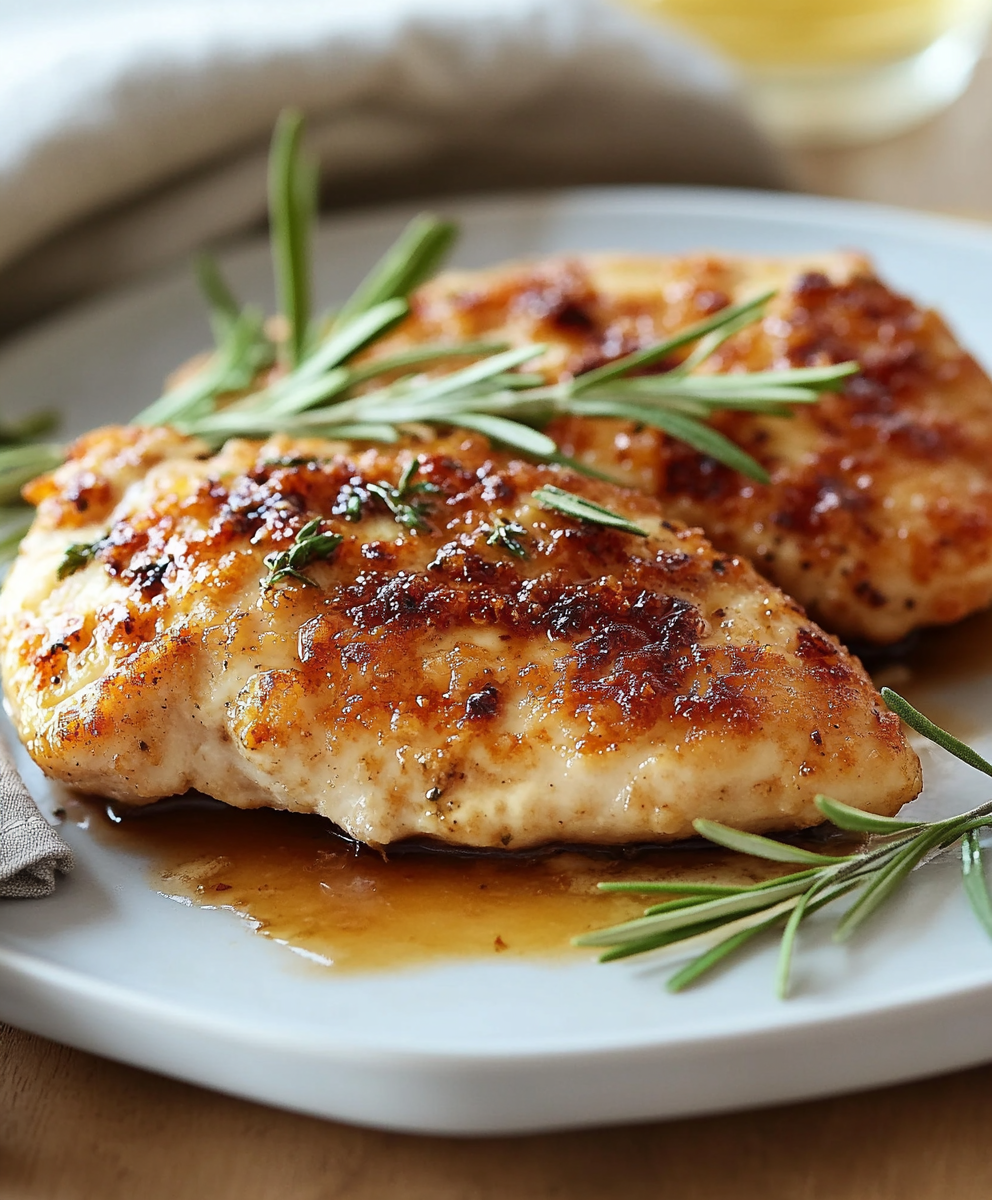
Are you tired of dry, tough chicken breasts and craving a tender, juicy dish that melts in your mouth every time? Discover the secrets behind a perfectly cooked Melt In Your Mouth Chicken Breast Recipe that defies the common belief that chicken breast is always dry. This recipe uses simple ingredients and smart techniques to lock in moisture and flavor, delivering a succulent chicken breast you’ll want to make again and again.
Ingredients List
- 2 large boneless, skinless chicken breasts
- 2 tablespoons olive oil or melted butter
- 1 teaspoon garlic powder
- 1 teaspoon onion powder
- 1 teaspoon smoked paprika
- ½ teaspoon salt
- ½ teaspoon black pepper
- 1 teaspoon fresh thyme or rosemary (optional)
- Juice of half a lemon
Substitutions and Notes:
- For a dairy-free option, use olive oil instead of butter.
- Fresh herbs like thyme or rosemary add aromatic flavor but can be omitted or substituted with dried herbs.
- Lemon juice helps tenderize the chicken and adds brightness.
Timing
- Prep Time: 5 minutes
- Cook Time: 15 minutes
- Resting Time: 5 minutes
- Total Time: 25 minutes
This timing is quicker than many traditional chicken recipes that often require marinating or slow cooking.
Step-by-Step Instructions
Step 1: Prepare and season the chicken
Pat the chicken breasts dry with paper towels to ensure a good sear. Rub both sides evenly with olive oil or melted butter. Season generously with garlic powder, onion powder, smoked paprika, salt, and pepper. If using, sprinkle fresh thyme or rosemary over the chicken.
Step 2: Sear the chicken breasts
Heat a heavy skillet (preferably cast iron) over medium-high heat. Once hot, add the chicken breasts and sear for 4-5 minutes on one side without moving them. This creates a flavorful crust.
Step 3: Flip and finish cooking
Flip the chicken breasts, reduce the heat to medium-low, and cover the pan with a lid. Cook for another 6-8 minutes, allowing the chicken to cook through gently and retain moisture.
Step 4: Rest and add lemon juice
Remove the chicken from the pan and let it rest for 5 minutes to redistribute the juices. Squeeze fresh lemon juice over the chicken before serving for a bright, fresh finish.
Nutritional Information (Per Serving, Serves 2)
- Calories: ~280
- Protein: 45g
- Fat: 10g
- Carbohydrates: 1g
- Fiber: 0g
Healthier Alternatives for the Recipe
- Use avocado oil or extra virgin olive oil for a heart-healthy fat boost.
- Skip the butter if you prefer a lighter fat option or have dairy sensitivities.
- Add a side of steamed vegetables or a fresh salad to increase fiber and vitamins.
Serving Suggestions
Serve your Melt In Your Mouth Chicken Breast alongside garlic mashed potatoes, roasted asparagus, or a crisp garden salad. For a low-carb option, pair it with sautéed spinach or cauliflower rice. Don’t forget a drizzle of pan sauce or a squeeze of fresh lemon to elevate the flavors.
Common Mistakes to Avoid
- Cooking chicken breasts straight from the fridge without bringing them to room temperature, which can cause uneven cooking.
- Overcooking, leading to dryness; use a meat thermometer to check for an internal temperature of 165°F (74°C).
- Not letting the chicken rest after cooking, causing juices to escape when sliced.
Storing Tips for the Recipe
Store leftover chicken breasts in an airtight container in the refrigerator for up to 3 days. Reheat gently in a skillet or microwave with a splash of water or broth to keep them moist. This recipe also freezes well; wrap tightly and freeze for up to 2 months.
Conclusion
This Melt In Your Mouth Chicken Breast Recipe is your go-to for juicy, tender chicken that’s quick to prepare and packed with flavor. Perfect for busy weeknights or meal prep, it guarantees delicious results every time.
Tried this recipe? Share your thoughts in the comments and subscribe for more easy, flavorful meals!
FAQs
Q: Can I use chicken thighs instead of breasts?
A: Yes! Chicken thighs are naturally juicier and will work great with this method, though cooking times may vary slightly.
Q: How do I know when the chicken is fully cooked?
A: Use a meat thermometer to check for an internal temperature of 165°F (74°C) for safe consumption.
Q: Can I marinate the chicken beforehand?
A: Absolutely! Marinating can add extra flavor, but this recipe is designed to deliver juicy chicken even without marinating.
